Learning how to French braid your own hair can feel intimidating at first, especially when your hands seem to get tangled more than your hair does. The good news is that once you understand the technique and practice a few times, creating beautiful braids becomes surprisingly easy.
How to French Braid Your Own Hair
This complete How to French Braid Your Own Hair tutorial will walk you through everything you need to know, from preparing your hair and understanding the basic braid pattern to mastering advanced styling tips.
Whether you’re a beginner or trying to improve your braiding skills, this step-by-step guide will help you create salon-worthy braids at home.
Why French Braids Are So Popular
French braids have remained one of the most timeless hairstyles because they combine beauty and practicality.
Benefits of French braids include:
- Keep hair neat and controlled all day
- Work for casual and formal occasions
- Suitable for short, medium, and long hair
- Protect hair from tangles
- Great for workouts and active lifestyles
- Can create beautiful waves after removal
- Work on many hair textures
The style can also be customized into multiple variations like side braids, double braids, crown braids, and messy boho looks.
What You’ll Need Before You Start
Before beginning this How to French Braid Your Own Hair tutorial, gather your tools:
Essential Items
- Hairbrush or detangling comb
- Hair elastics
- Hair clips
- Mirror
- Texturizing spray or dry shampoo
- Hair serum (optional)
- Hairspray (optional)
Helpful Tip
Freshly washed hair can sometimes be too slippery. Hair that is one day old often holds a braid better.
Preparing Your Hair for a French Braid
Preparation makes a huge difference in achieving neat braids.
Step 1: Remove Tangles
Brush your hair thoroughly from the ends upward.
Knots and tangles create uneven sections and make braiding difficult.
Step 2: Add Texture
If your hair is very smooth or fine:
- Spray dry shampoo
- Use texturizing spray
- Add a little mousse
Texture creates grip and helps sections stay together.
Step 3: Decide Your Braid Style
Choose your preferred style:
- Classic center braid
- Side French braid
- Double French braids
- Crown braid
- Loose romantic braid
For beginners, start with the classic center braid.
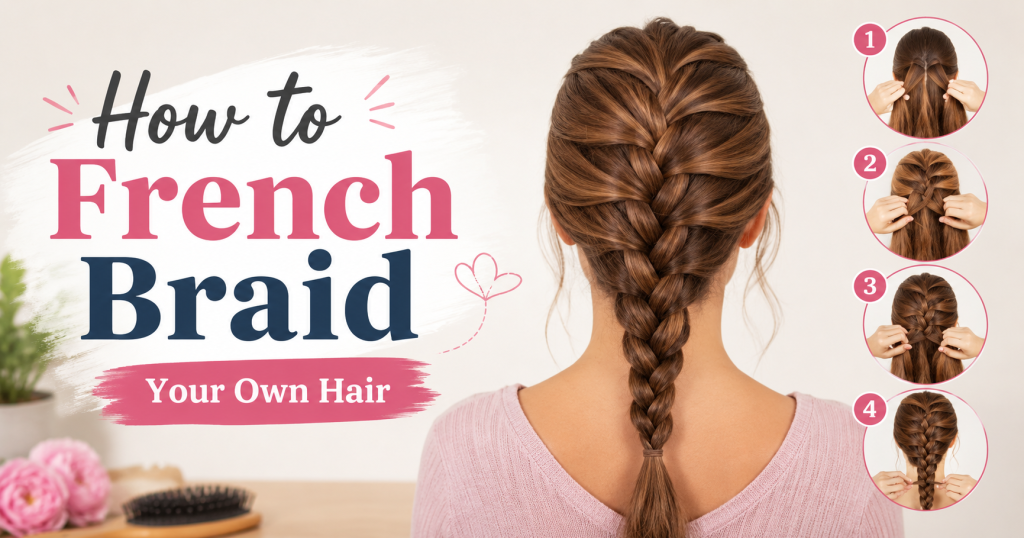
How to French Braid Your Own Hair: Step-by-Step Tutorial
Now, let’s get into the actual process of how to French braid your own hair.
Step 1: Start at the Crown
Take a section of hair from the top center of your head.
The section should be approximately:
- 2–3 inches wide
- Thick enough to divide comfortably
Divide this section into three equal parts:
- Left section
- Middle section
- Right section
Step 2: Begin a Traditional Braid
Before adding extra hair, create a regular braid crossover.
Follow this pattern:
- Cross right section over middle
- Cross left section over middle
Now you’re ready for the French braid technique.
Step 3: Add Hair to the Right Side
Pick up a small section of loose hair from the right side.
Combine it with your current right strand.
Cross this larger right section over the middle.
Keep your grip firm but comfortable.
Step 4: Add Hair to the Left Side
Take a section from the left side.
Add it to your left strand.
Cross this larger section over the middle.
Repeat the process.
Step 5: Continue Downward
Continue alternating sides:
- Add hair on the right
- Cross over the middle
- Add hair on the left
- Cross over the middle
Continue until all hair has been incorporated.
Step 6: Finish with a Traditional Braid
Once you’ve reached the nape of your neck:
Continue braiding normally with the remaining hair.
Secure with a hair elastic.
Step 7: Adjust the Braid
To create a fuller appearance:
Gently pull the outer sections of the braid.
This technique is called “pancaking.”
Do not pull too hard or the braid may loosen excessively.
Beginner French Braid Mistakes to Avoid
Almost everyone struggles when first learning how to French braid.
Common mistakes include:
1. Taking Uneven Hair Sections
Uneven sections can create:
- Crooked braids
- Loose areas
- Uneven tension
Try using mirrors for better visibility.
2. Pulling Too Tight
Overtightening may:
- Causes scalp discomfort
- Create bumps
- Lead to headaches
Maintain gentle, even tension.
3. Skipping Hair Preparation
Smooth hair can slide out of braids.
Always:
- Brush thoroughly
- Add texture if needed
4. Looking in Too Many Mirrors
Beginners often become confused seeing reversed movements.
Practice first by feeling the process rather than relying completely on mirrors.
French Braid Tips for Different Hair Types
Different hair textures require slightly different techniques.
Fine Hair
Fine hair benefits from:
- Dry shampoo
- Texture spray
- Slight teasing at roots
Thick Hair
Thicker hair may require:
- Larger sections
- Hair clips for organization
- Strong elastics
Curly Hair
For curly hair:
- Detangle gently
- Apply leave-in conditioner
- Avoid excessive brushing
Short Hair
Short hair can still work beautifully with French braids.
Tips include:
- Take smaller sections
- Use bobby pins
- Secure loose pieces
Easy French Braid Variations to Try
After mastering the basics, experiment with these styles.
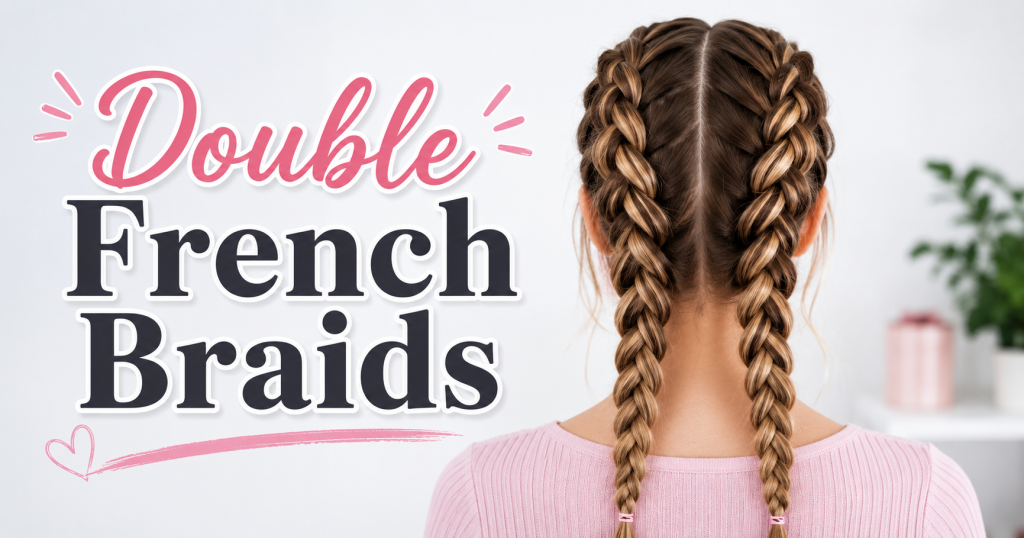
Double French Braids
Also known as boxer braids:
- Part hair down the middle
- Create two separate braids
Perfect for:
- Sports
- Travel
- Everyday wear
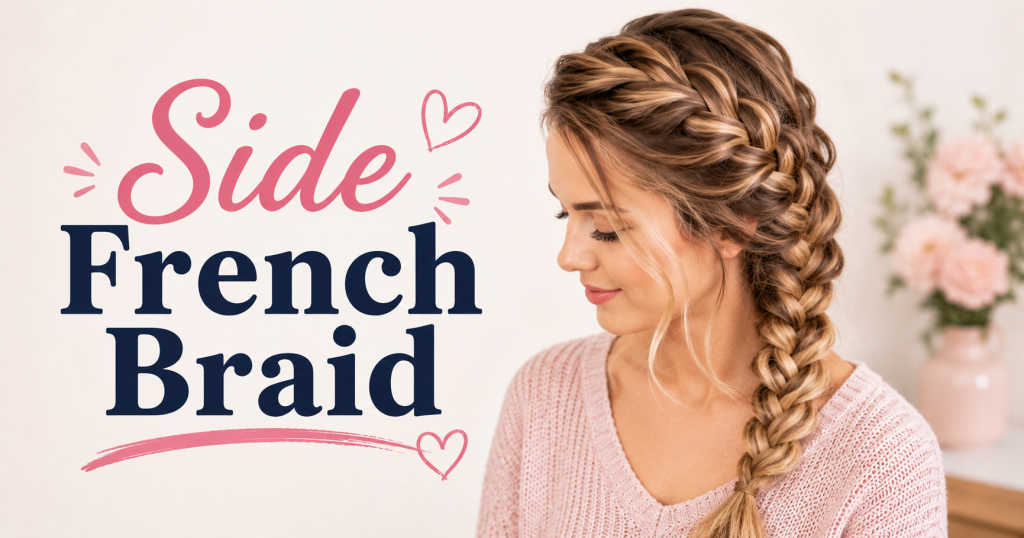
Side French Braid Your Own Hair
Instead of starting at the center:
- Begin on one side
- Move diagonally
This style creates a soft, romantic look.
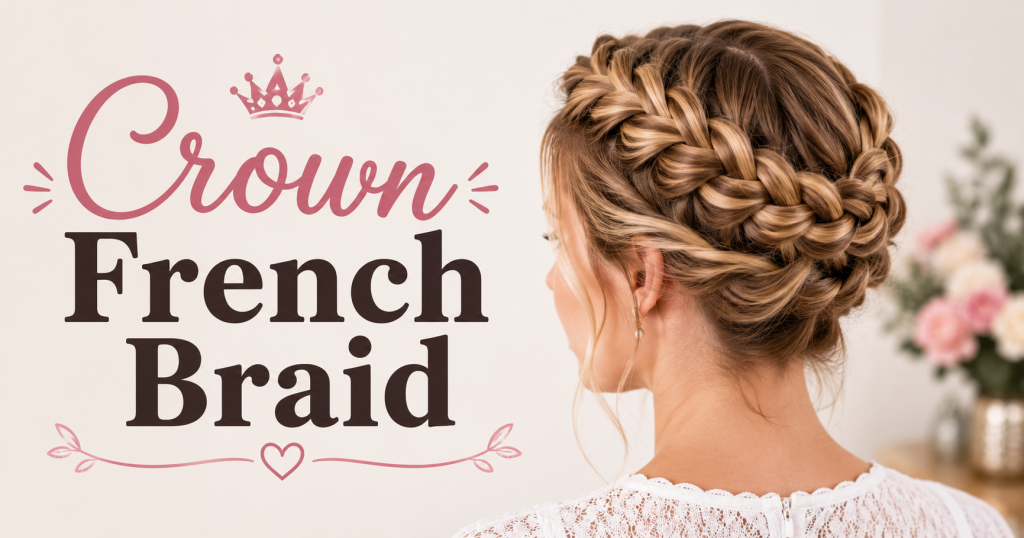
Crown French Braid
Wrap your braid around the head for an elegant style.
Perfect for:
- Weddings
- Parties
- Formal occasions
Messy French Braid
Create a relaxed appearance by:
- Loosening sections
- Pulling out face-framing pieces
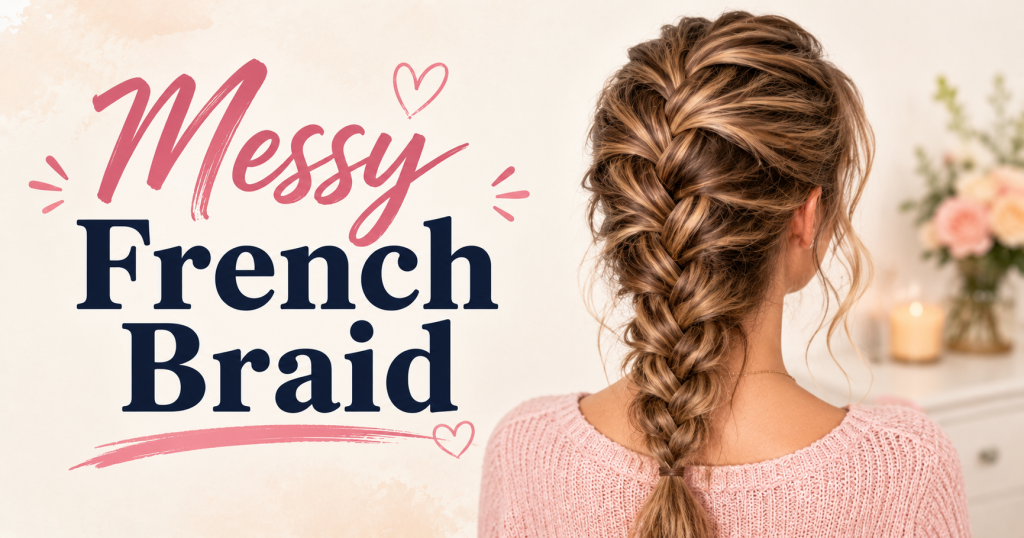
This style works especially well for casual outfits.
How Long Does It Take to Learn?
Many beginners wonder how quickly they can master a French braid.
Typical timeline:
First attempt: 20–30 minutes
After one week of practice: 10–15 minutes
After regular practice: 3–5 minutes
Consistency matters more than perfection.
How to Make Your French Braid Last All Day
Once you’ve created the perfect braid, make it stay secure.
Tips include:
Use Hair Products
Apply:
- Light hairspray
- Texture spray
- Styling cream
Secure Loose Ends
Use:
- Bobby pins
- Strong elastics
Avoid Touching Your Hair
Constant adjustment loosens braids over time.
Frequently Asked Questions
Is French braiding difficult?
Not really. It mainly requires coordination and repetition. Most people become comfortable after several practice sessions.
How to French Braid Your Own Short Hair?
Yes. Short hair can absolutely be braided, although smaller sections and extra pins may help.
Should hair be wet or dry?
Slightly damp or second-day hair usually works best. Extremely wet hair may not hold the style well.
How do I make my braid look thicker?
Try these methods:
Pancake the braid
Add texture spray
Use volumizing products
Can beginners learn quickly?
Absolutely. Most beginners improve dramatically after practicing several times.
Learning how to French braid your own hair may seem challenging at first, but once you understand the pattern, it becomes second nature. This French braid tutorial gives you the foundation needed to create beautiful braids for everyday wear or special occasions.
Start slowly, keep your sections even, and don’t worry if your first few attempts aren’t perfect. Like any hairstyling technique, practice builds confidence. Soon you’ll be able to create polished, effortless French braids in just minutes.
The best part is that once you master one braid, countless styling possibilities open up. Happy braiding!